
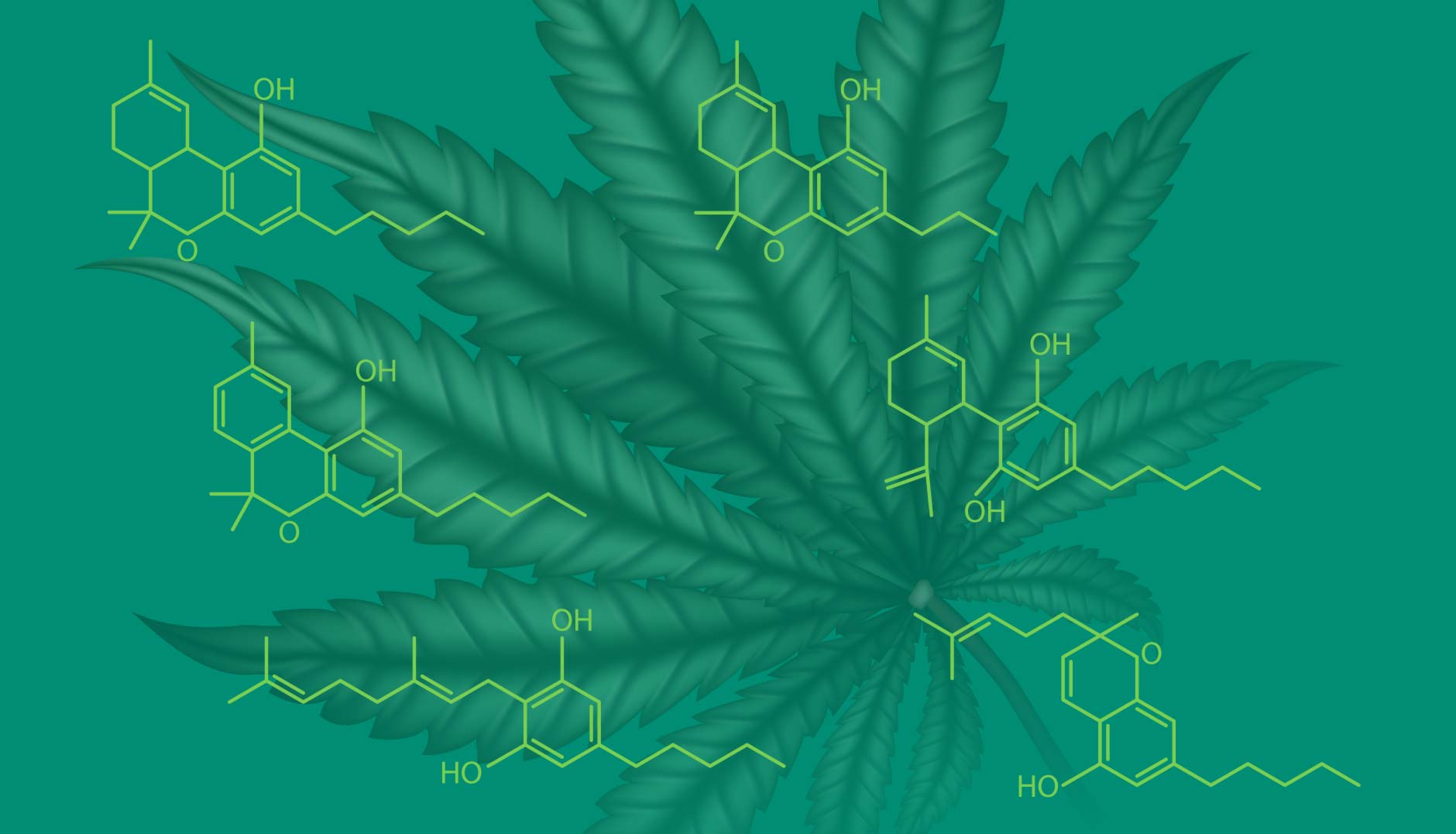
Everything Avon Dispensary Shoppers Should Know About Minor Cannabinoids
We’ve all heard of THC and CBD, but did you know that there are hundreds, if not thousands, of other beneficial cannabinoids? Here’s everything you need to know about them.
When it comes to making the magic happen, THC and CBD get all the love. But the discerning enthusiast knows that cannabis products with practically identical THC and CBD content can produce wildly different experiences.
What’s the secret? It could be minor cannabinoids. Here’s what you need to know about these unsung heroes of the cannabis plant, and how keeping an eye on minor cannabinoids can help shape your consumption experience.
Quick links
- What are minor cannabinoids?
- What are the most common minor cannabinoids?
- How do minor cannabinoids interact with the human body?
- How do minor cannabinoids differ from major cannabinoids?
- How do minor cannabinoids interact with the endocannabinoid system?
- How can minor cannabinoids be extracted and used in products?
- HCH favorites featuring minor cannabinoids
What are minor cannabinoids and why are they important in cannabis?
While most cannabis research has focused on the major cannabinoids, there’s a whole world beyond THC and CBD. The cannabis flower is packed with a variety of major and minor cannabinoids, each of which interacts with the endocannabinoid system to produce powerful potential benefits.
These so-called “minor cannabinoids” work hand in hand with THC and CBD. When they interact with cannabinoid receptors throughout the body, your experience intensifies, creating what’s known as the entourage effect.
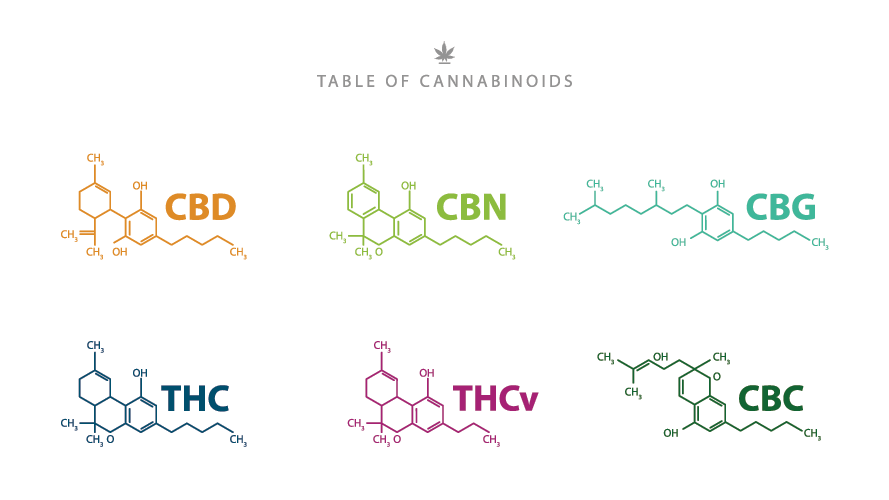
What are the most common minor cannabinoids found in cannabis?
Researchers are still working to identify all of the compounds found in cannabis flower, but preliminary studies have named at least 120 unique minor cannabinoids.
It seems like a big number! But don’t worry. We’ve narrowed it down for you. Here are the most important minor cannabinoids you need to know:
CBG
CBG is one of the first compounds produced in a plant’s growth cycle. Like CBD, it is non-psychoactive. Primarily known for its anti-inflammatory effects, CBG can stimulate appetite and make for an uplifting experience.
CBN
When THC degrades, it creates CBN. This minor cannabinoid is found in higher concentrations in older plants or cannabis that’s been sitting around for a while. Excellent at fighting bacteria, it may also amplify THC’s sedating effect.
CBC (H3)
Among the most abundant of the minor cannabinoids, CBC boosts the effects of THC, helping it work more efficiently within your system. Perfect for soothing pain and inflammation, some studies even show that it slows the growth of certain cancer cells.
CBE
CBE has received less attention than some of the other minor cannabinoids. Generally, it has benefits similar to CBD, offering a soothing, calm experience with no psychoactive component.
CBV
High concentrations of this non-psychoactive cannabinoid can be found in most cannabis plants, yet CBV remains something of a mystery. It seems to offer potential medical benefits shared by other cannabinoids, but more research is needed to know for sure.
THCV
THCV is unique in the world of minor cannabinoids because it is non-psychoactive in low doses, but it produces psychoactive effects when consumed in higher amounts. The high it produces is focused and energized, with no THC brain fog.
CBGA
More often found in the form of CBG, plants require special handling to produce CBGA levels. But the extra labor is worth it because this minor cannabinoid has potential medical benefits in the fight against diabetes, cancer, and heart disease.
THCA
A non-psychoactive compound that transforms into THC when heated, THCA works best when combined with other cannabinoids and terpenes. A non-psychoactive nausea treatment, it may also reduce inflammation and help minimize seizures.
CBNA
Most commonly found in mature cannabis plants, CBNA has medical potential to treat bone loss. Combined with CBD, it is a powerful pain reliever. It’s also effective in fighting certain bacterial strains.
How do minor cannabinoids interact with the human body?
Many minor cannabinoids operate like the major cannabinoids you’re probably familiar with, creating effects by interacting with the endocannabinoid system.
One minor cannabinoid might bind to CB1 receptors, whereas another might bypass these receptors to create a more subtle effect, like stimulating your body’s ability to fight pain or inflammation.
How do minor cannabinoids differ from major cannabinoids such as THC and CBD?
Like THC and CBD, each minor cannabinoid is a unique chemical compound that interacts within the endocannabinoid system found in all human bodies to create a distinctive “high.”
This delivers desirable experiences for consumers and even possesses potential medical applications. The cannabis industry and cannabis researchers are both studying minor cannabinoids for their therapeutic and recreational uses.
However, unlike THC and CBD, most minor cannabinoids can’t be consumed in an isolated form. Instead, they typically add complexity to the cannabis experience, enhancing and deepening the effects of any given strain.
How do minor cannabinoids interact with the endocannabinoid system?
Asking how minor cannabinoids interact with the endocannabinoid system is kind of like asking how food interacts with your digestive system—it all depends on the cannabinoid. Nevertheless, there are generally two pathways minor cannabinoids can take within your ECS.
Some behave like THC and bind directly to receptors, influencing their behavior to produce psychoactive effects like an enlivened mental state, sociability, and another hallmark of a classic high.
Others behave more like CBD, interacting with the ECS by inhibiting endocannabinoid signaling. How this process works all depends on your dosage—the more you take, the stronger the effects.
How can minor cannabinoids be extracted and used in products?
The science behind extracting minor cannabinoids is still in its infancy, but there are generally two methods used.
If a company knows the unique generic signature of the minor cannabinoid it wants, they can use conventional extraction methods to isolate the targeted compounds, which can be further purified and distilled to create usable consumer products.
If a cannabinoid shows up in smaller percentages and is difficult to isolate, companies may use biosynthetic processes to create it in larger quantities. These methods take an organic material like yeast, bacteria, or a hemp plant and convert it into the desired minor cannabinoid, which can then be purified and used commercially.
HCH favorites featuring minor cannabinoids
Ready to experiment with minor cannabinoids, but aren’t sure where to start? HCH budtenders have got you covered!
Here are some of our favorite minor cannabinoid packed products to launch your journey into this brave new world:
Ready to place an online order with High Country Healing Vail? Click here.
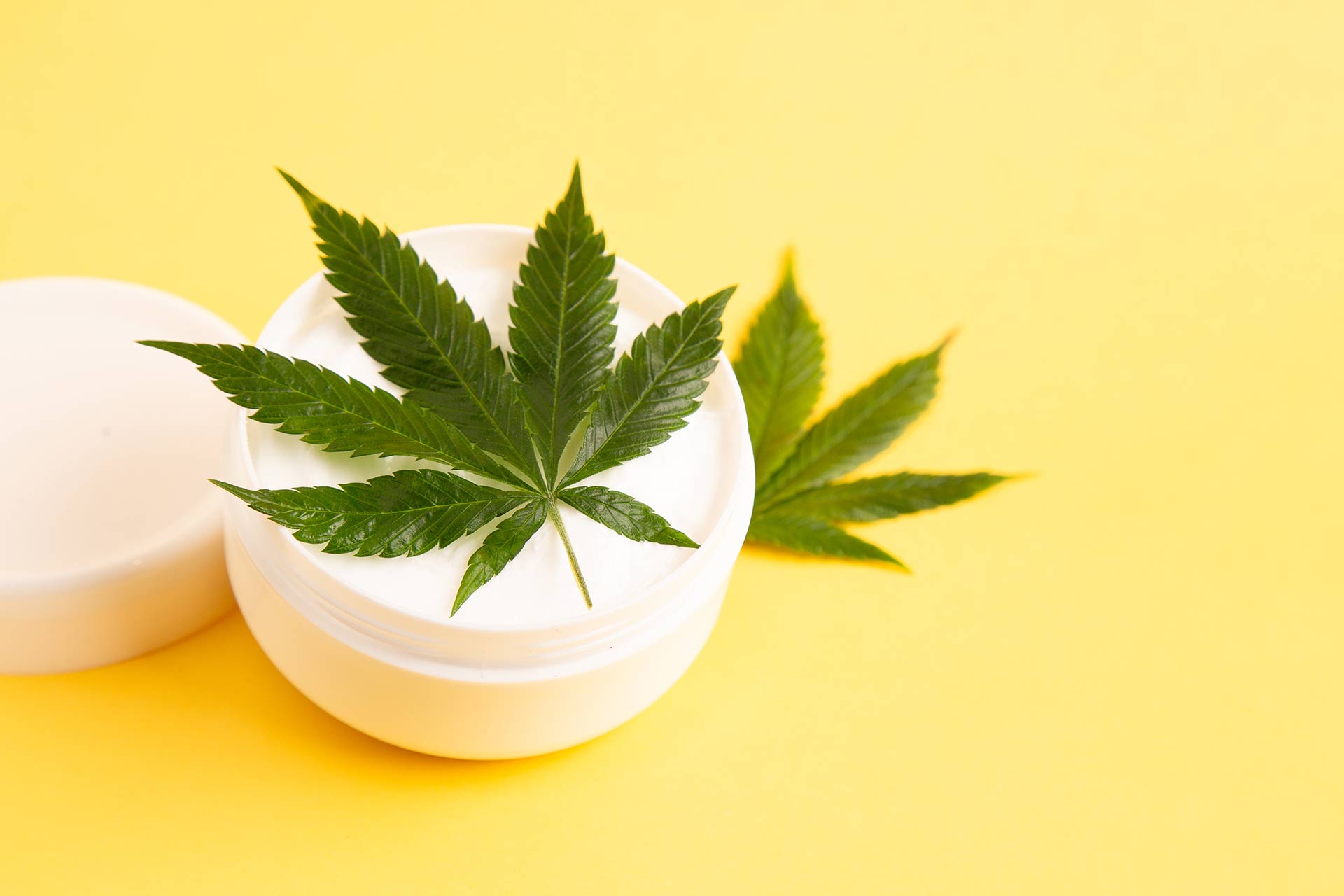
THC Topicals: More Than Skin Deep
Almost everyone is familiar with the most common forms of cannabis, but there’s a world of emerging products you should consider.
When it comes to cannabis consumption, smoking, vaping, and edibles get all the love. But at HCH, we’re all about the unsung heroes of the cannabis world—and that includes topicals!
Cannabis topicals come in a variety of forms, including lotions, balms, and beyond. These products react with endocannabinoid receptors in the skin to create a calming experience that is less psychoactive than cannabis consumed orally or via inhalation.
Whether you’re looking to ease inflammation, treat skin conditions, or enjoy some heightened TLC, the soothing quality of cannabis infused topicals makes them perfect for everyday use.
Here’s what you need to know about topical products, including how they work and why you should make them part of your self-care routine.
Quick links
- What is a cannabis topical?
- How do THC topicals work?
- What are the benefits of using THC topicals?
- What are the potential side effects of using THC topicals?
- What types of THC topicals are available?
- Balms
- Lotions
- Transdermals
- Bath Products
- Do topicals get you high?
- How long do the effects of THC topicals last?
- Which cannabis topical should I use?
What is a cannabis topical?
Before we get down to the nitty gritty, let’s talk definitions: What is a cannabis topical, anyway?
This umbrella term describes any cannabis-infused product that’s applied to the skin. Typically used to treat pain, inflammation, and everyday muscle soreness, cannabis topicals are a rapidly growing category that includes ointments, lotions, lubricants, bath salts, balms, patches, and more.
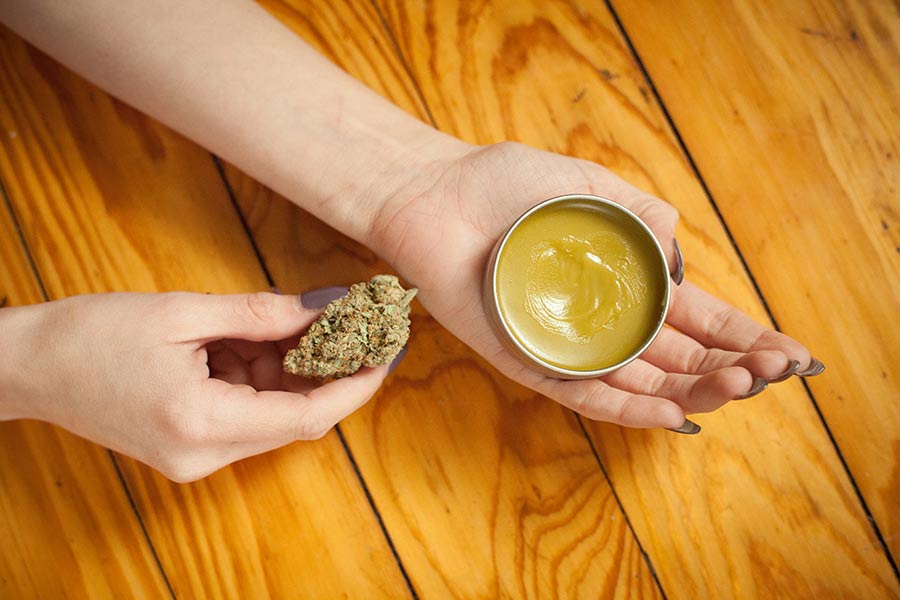
These products can be used for just about any occasion. Athletes often use topicals to relax inflamed tissue after an intense workout. And romantic types reach for cannabis lube when they’re in the mood for love.
Whether you want to soothe, unwind, or heighten an everyday activity, THC topicals are hard to beat.
How do THC topicals work?
Like any other type of cannabis you might consume, cannabis topicals work by binding to CB1 and CB2 receptors within your body’s endocannabinoid system.
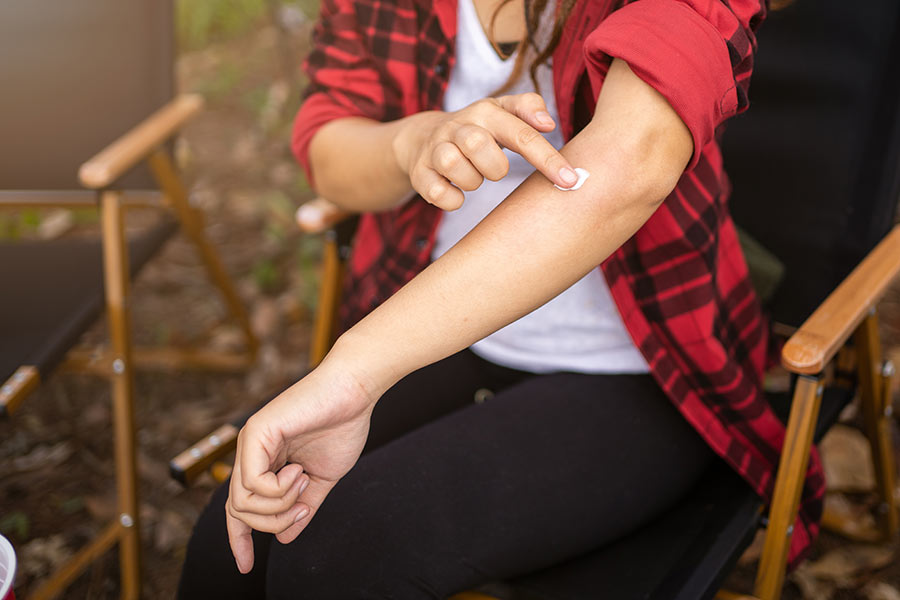
When you apply a topical treatment, your skin absorbs the active ingredients, including THC, CBD, and any other terpenes or minor cannabinoids the formula contains. This provides instant localized relief.
The formula then travels through the bloodstream and interacts with endocannabinoid receptors in the body, which triggers an acceleration of the collagen cells that assist in processes such as pain relief.
What are the benefits of using THC topicals?
Cannabis topicals enter the bloodstream through cannabinoid receptors in the skin and offer fast-acting, localized relief. They’re a fantastic way to enjoy the therapeutic qualities of cannabis without the psychoactive effects.
While studies are ongoing, cannabis topicals appear to offer several potential benefits. They may be a promising alternative to traditional pain and inflammation treatments, help soothe skin conditions, and intensify sexual response when used in products such as lubricants.
Basically, no matter what you’re looking to do, there’s probably a topical for it!
What are the potential side effects of using THC topicals?
Because they offer little to no psychoactive impact, there really aren’t any side effects associated with the use of cannabis topicals.
These products would have to be more seriously studied to know for sure, but based on our own experience and the anecdotal evidence we’ve heard, there are no apparent downsides to THC topicals.
The only exception is for those who have seriously sensitive skin or an allergy to some other ingredient the topical contains. If you’re afraid of experiencing a reaction, make sure to do a “patch test” before use. Apply a little of the product to a few inches of skin and monitor for a reaction before you slather on a whole bottle.
What types of THC topicals are available?
There are so many types of THC topicals on the market these days, and you can probably find whatever you’re looking for on the shelves at HCH. Here are some classics we particularly recommend:
Balms
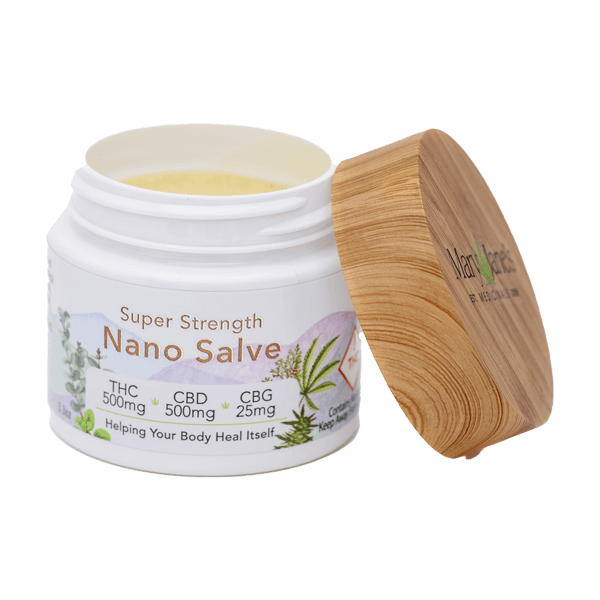
With a smooth, light consistency that absorbs easily into the skin, cannabis balms are perfect for soothing inflammation after a workout. Mary Jane’s Nano Salve is perfect for soreness, cramps, headaches, and more.
Lotions
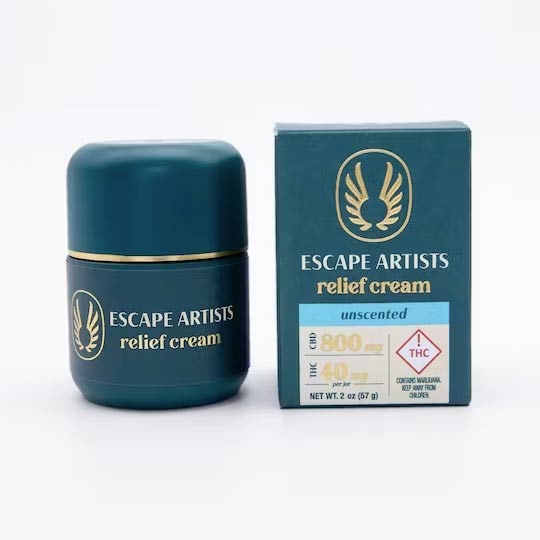
Highly concentrated and bioavailable, lotions allow you to control the dosage of your topical and apply it wherever you need relief. We’re big fans of the 1:1 Unscented Relief Cream from Escape Artists, which delivers a wonderful blend of cannabinoids.
Transdermals
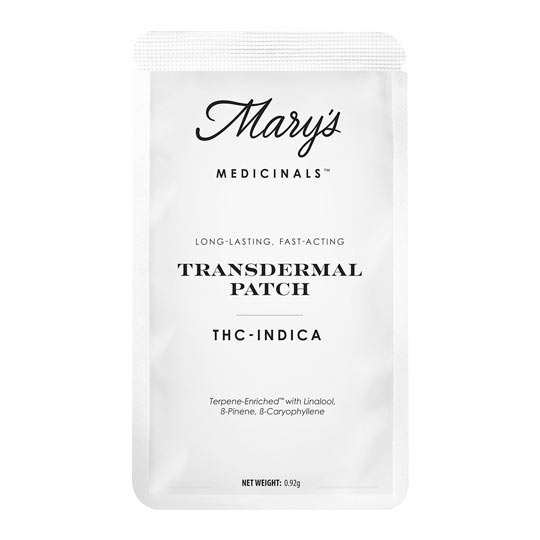
Highly concentrated and bioavailable, lotions allow you to control the dosage of your topical and apply it wherever you need relief. We’re big fans of the 1:1 Unscented Relief Cream from Escape Artists, which delivers a wonderful blend of cannabinoids.
Bath Products
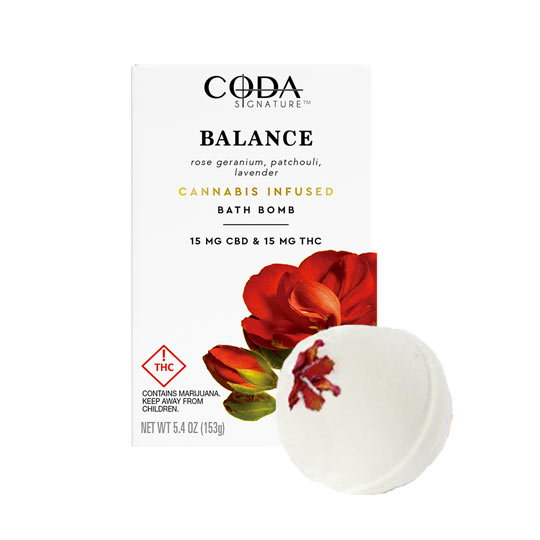
What’s more relaxing than a bubble bath? A THC-infused bath time extravaganza, of course! For the ultimate self-care special, try adding Coda’s Balance Bath Balm to your next soak.
Do topicals get you high?
Cannabis topicals are great for easing aches, pains, and inflammations, but do they actually get you high?
Well, it all depends on what type of topical you use. CBD- and THC-based topicals produce no psychoactive effect whatsoever. Instead, they create a soothing, relaxing, and sedating experience.
While THC-based topicals contain the psychoactive compound found in cannabis, the effects are typically very mild. You may experience some mild euphoria, but the potential negative side effects of higher dosage cannabis aren’t possible with topicals, which makes them a perfect choice for light users and people seeking intoxication-free relief.
If you’re looking for a long, strange trip, you may be better off with edibles and smokable cannabis. But if you want something considerably more chill, topicals could be the perfect solution.
How long do the effects of THC topicals last?
Because of the way they’re absorbed and processed by your body, you’ll probably feel the effects of THC topicals pretty quickly—generally within 10–30 minutes.
How long those effects last varies according to the topical type, dosage, and, as with all THC products, your individual tolerance. But generally, you’ll enjoy the relaxation topicals provide for about 4–6 hours.
Which cannabis topical should I use?
There’s no one right way to choose a cannabis topical! Ultimately, it all comes down to personal preference, but here are a few factors our budtenders say to consider:
- See what cannabinoids the topical contains. Different cannabinoids create different effects, so shop around and sample a few to find the perfect blend for you.
- Don’t be afraid to experiment! All those potions, lotions, and balms create their own unique experiences.
- Read your labels. Ingredients matter when it comes to topicals, so look to make sure your formula of choice is packed with the good stuff, including active THC or CBD and any complimentary essential oils you might be interested in trying out.
Last but not least, the very best way to select a cannabis topical is to get a personalized recommendation from your friendly neighborhood budtender. Stop by an HCH location, tell us what you’re looking for, and we’ll hook you up!
Ready to place an online order with High Country Healing Vail? Click here.
A Tale of Two Cannabinoids: THC and CBD Basics
THC and CBD are the two most common cannabinoids found in cannabis. Here’s everything we think you should know about them.
When browsing the shelves of HCH Vail, there are a few terms you’ll see over and over again, but the most important two are THC and CBD. THC and CBD have their own unique properties, uses, and even side effects. Not sure which one is right for you? Let’s break it down!
What's the difference between THC and CBD?
THC and CBD are compounds found within the cannabis plant. Also known as cannabinoids, recreational and medical marijuana often contains large doses of both THC and CBD. When consumed, these compounds interact with your body’s endocannabinoid system, whose receptors attach to THC or CBD present in your body, creating a powerful chemical effect.
What are cannabinoids?
All active compounds found in cannabis are cannabinoids, but THC and CBD are the most well known. These days, cannabis products might also feature lesser known cannabinoids that have beneficial effects of their own.
THC
What is THC?
THC is the primary psychoactive compound found in cannabis products. It creates the “high” sensation most people are familiar with. While THC is psychoactive in high doses, lower doses are often used for medical purposes, such as mood regulation or to control pain and inflammation in people suffering from chronic pain conditions.
What are sativa strains used for?
More energizing and uplifting, sativa strains contain cannabinoids that produce a more enlivening, active high. They’re great for socializing and daytime use.
What are indica strains used for?
Relaxing, sedating, and mellow, indica strains are perfect for times when you want to wind down. The minor cannabinoids they contain make them perfect for bedtime.
What are hybrid strains used for?
Balancing the effects of sativa and indica strains, hybrid cannabis creates a more balanced effect that keeps you on an even keel. Hybrids are excellent for those times when you want to be energized yet chill.
What receptors does THC bind to?
Once you consume THC, it binds to cannabinoid receptors throughout your endocannabinoid system, primarily to CB1 and CB2 receptors. The bond it forms to CB1 receptors appears to be responsible for THC’s powerful psychoactive properties.
How can THC be taken?
There are as many ways to take THC as there are to consume cannabis! Try smoking flower or vaping, or branch out with options like edibles, topicals, tinctures, and more. If you can imagine it, someone has made a THC version of it.
How much THC should I take?
With THC products a good rule is to start low and go slow. Work your way up a couple of milligrams with each consumption session until you find your perfect fit. And don’t rush—it can take time for effects to fully kick in, depending on your consumption method.
What are the benefits of THC?
People use THC for a variety of reasons, including improved general physical and mental well being, or simply to chill out and have a good time. Some people use it recreationally for its psychoactive effect, while others use it to manage various ailments.
What are the possible side effects of THC?
THC is perfectly safe in low doses. If you take too much, you may experience unpleasant side effects like confusion, dizziness, and nausea. If you experience these symptoms, lie down and drink plenty of water until they pass.
CBD
What is CBD?
The second most common compound found in the cannabis plant, CBD is non-psychoactive. It has a number of medical benefits in common with THC, and it is often used therapeutically by people looking to experience the medical benefits of cannabis without the high. Unlike THC, CBD has been approved by the FDA to treat seizure disorders, and as long as it’s sourced from industrial hemp rather than cannabis plants, CBD products are legal in most states under the farm bill.
What is full spectrum CBD?
Full spectrum CBD contains the full range of cannabinoids and other compounds found within the cannabis plant, including a very low dose of THC, at a maximum of 0.3%.
What is broad spectrum CBD?
Broad spectrum CBD has been specifically processed to remove even trace amounts of THC, while retaining CBD’s other beneficial cannabinoids and other compounds.
What receptors does CBD bind to?
When you consume cannabidiol CBD, it binds to receptors throughout your system, including non-cannabinoid receptors. The cannabinoid receptor that gives its effect is the CB2 receptor, which may explain CBD’s effectiveness in pain and anxiety management.
How can CBD be taken?
Like THC, CBD can be consumed in a variety of ways, including vapes, edibles, topicals, and more.
How much CBD should I take?
It’s much harder to overdose on CBD than it is on THC, so you can ingest a larger amount right off the bat. In general, we recommend newbies start with a single serving of any CBD product and work their way up from there.
What are the benefits of CBD?
CBD products offer several of the same benefits found in THC without the psychoactive effects. Many people use CBD oil as a topical treatment to soothe minor aches and pains. Others ingest it to calm anxiety and stress.
What are the side effects of CBD?
Fewer people experience side effects from CBD. Taken at large doses it can cause symptoms such as drowsiness, dry mouth, and a reduced appetite. Like any other compound, it can interact with medications, so check with your doctor if necessary.
What CBD products are available at HCH?
We’ve got a ton of CBD-rich products on the shelves of High Country Healing. If you’re interested in giving them a try, here are some of our favorite categories to explore:
- Isolated CBD, like Become CBD Concentrate
- Animal-friendly products, like Infusiasm’s Pet Tincture
- High THC candy, like Wana’s Strawberry CBD Gummies
- Soothing treatments, like Foria’s Relief CBD Suppositories
- Spa day products, like Mary Jane’s CBD Bath Bomb
Every Single Thing Vail Dispensary Shoppers Should Understand About the Entourage Effect
Just like people, cannabis is stronger when it’s in a community.
If you’re a connoisseur of the cannabis plant, you might have noticed that the tastiest, most potent flower has a shiny, almost sticky appearance. It’s no coincidence that the dankest, stickiest buds and the cannabis products made from them produce the most potent effect. The reason? The entourage effect.
What Is the Entourage Effect?
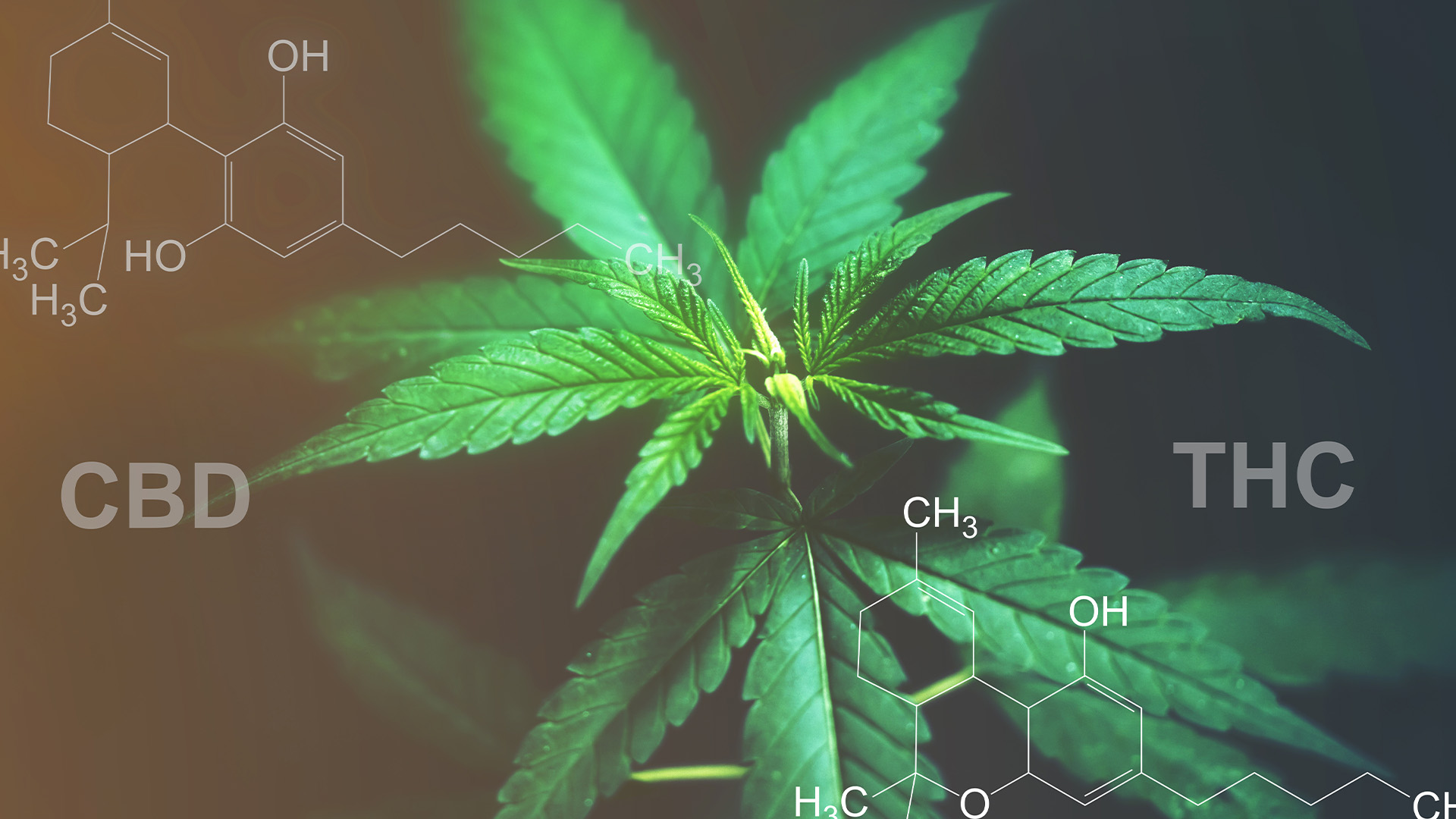
THC and CBD are the two best known active compounds in cannabis and cannabis plant extracts, but they aren’t the only things interacting with your endocannabinoid system.
Cannabis is also packed with cannabinoids and terpenes, which might be a better indicator of your favorite strain’s pharmacological effect than THC content alone.
Some things are better together. Like bacon and eggs or peanut butter and chocolate, when THC, CBD, and all of the other good stuff cannabis naturally contains combine, the experience is much more powerful than what you’d get from an isolated compound. This joining of forces is what produces the “entourage effect.”
Cannabinoids
Cannabinoids are any of the active compounds found in cannabis that interact with your body’s cannabinoid receptors, including tetrahydrocannabinol THC and cannabidiol CBD. Cannabinoids bind to and interact with specific receptors throughout your endocannabinoid system, regulating how cells send, receive, and process chemical messages. This produces THC’s signature “high.” There’s less research on the connection between the endocannabinoid system and CBD, but in general, high percentage CBD products generate a more relaxed, embodied experience.
CBD
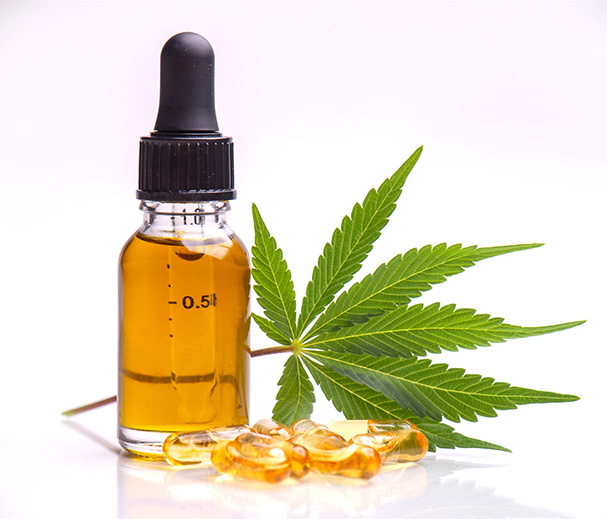
To experience the maximum entourage effect with CBD oil or another isolated CBD product, use full spectrum CBD, which contains a small amount of THC as well as other essential compounds. Broad spectrum CBD is THC-free and made from industrial hemp, so it doesn’t offer the same entourage effect experience.
THC
All cannabis-based products that contain THC should also contain CBD, meaning you’ll automatically get the benefits of the entourage effect. Higher CBD levels in your product of choice can also diminish the side effects of THC, making them a perfect indulgence for smokers who want a more gentle experience.
Terpenes
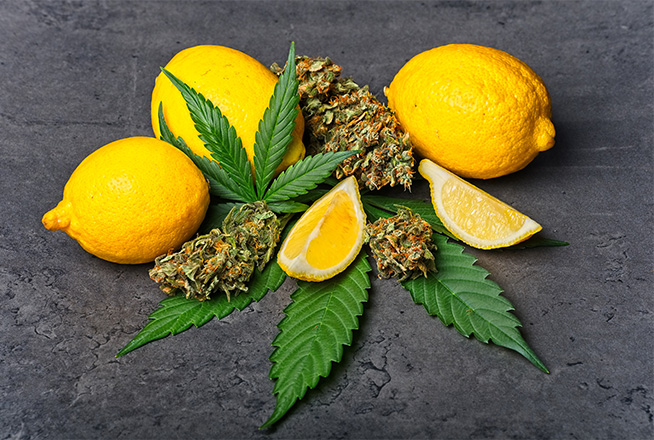
If THC and CBD are the stars of the cannabis world, terpenes are the character actors that hold down the scene and make the vibe work. These aromatic compounds contribute to the entourage effect by interacting with cannabinoids and creating distinct effects.
How Does It Work?
THC and CBD get all the press, but like any big star, they couldn’t do it without their entourage!
Flavonoids, terpenes, and cannabinoids make a seriously unbeatable dream team. Even if the two big cannabinoids get most of the spotlight, the team behind the scenes is working just as hard. When all the good stuff in cannabis plants interacts, bonding power increases, and that creates the most desirable experience.
Is the Entourage Effect Real?
There are few definitive studies on the entourage effect, mostly because the phenomenon it describes is so subjective.
There’s really no objective, scientific way to test how it “feels” to consume weed, so we have to draw on the experiences of the cannabis enthusiasts we love the most. Their take? Oh, it’s real. The stickier and more complex the flower, the more enjoyable it is to consume.
What Does the Entourage Effect Feel Like?
People who swear by the entourage effect say it intensifies their favorite things about the cannabis consumption experience.
If you use cannabis for pain management or to soothe anxiety, the entourage effect may help your relief last longer and feel deeper. If you use cannabis recreationally and enjoy the psychoactive effects, the entourage effect kicks the party into high gear.
Basically, it’s everything you love about cannabis taken to the next level.
What Are the Benefits of the Entourage Effect?
Clearly, the entourage effect intensifies the experience for cannabis users, but what other benefits does it have to offer?
Studies confirm that medical users experience more relief from treatment that combines CBD and THC, which is reason enough to think that all the other organic good stuff found in the cannabis plant is working together.
Using products that contain both THC and CBD—along with as many terpenes, flavonoids, and other complimentary compounds as possible—means you’ll have a more intense, longer lasting, and more enjoyable consumption experience.
What Cannabis Products Produce the Entourage Effect?
If you’re like us, you’ll agree that the entourage effect sounds pretty awesome! Want to experience the good stuff for yourself? Here are our budtenders’ favorite products to experience the entourage effect.
Flower
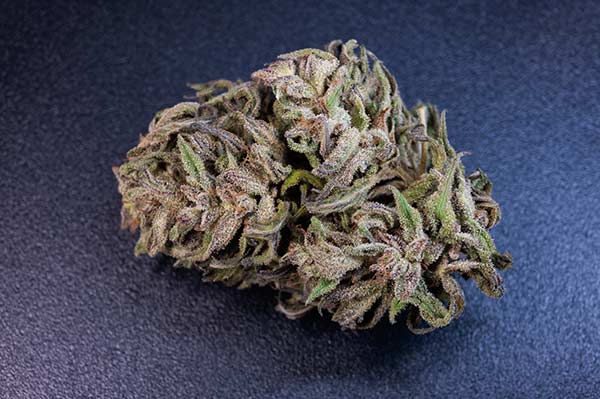
Because it’s the dried, whole organic product of the cannabis plant, flower is one of the best ways to consume the flavonoids, terpenes, and cannabinoids that get the entourage effect going. Opt for flower with a nice balance of THC and CBD, like Frostbite or Grape Cream Cake, to get the maximum benefit. For an even easier on the go option, try a pre-roll like the popular hybrid option from High Country Cones.
Full Spectrum Cannabis Extracts
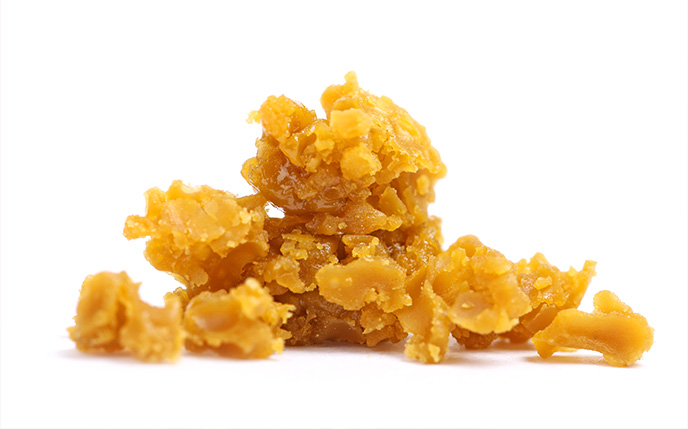
Not a flower fan? You can still enjoy the benefits of the entourage effect with one of our favorite full spectrum cannabis extracts. Distilled from the whole cannabis plant, they can serve up the perfect mix of cannabinoids, flavonoids, and terpenes. To enjoy an entourage experience, try a hybrid that balances CBD and THC. Apple Fritter Shatter and Red Onion Rosin are both great choices. Edibles that contain THC and CBD like Dialed In’s Rosin Gummies also get the job done.
Whatever your consumption method of choice, the entourage effect only makes the good times better! Tell the bouncer to keep the fans busy, because tonight it’s all about your entourage.
Ready to place an online order with High Country Healing Vail? Click here.
Ask a Vail, Colorado Budtender: How Should I Store My Cannabis Stash?
Learn how to keep your cannabis fresh, potent, and delicious in this blog.
Like other perishable goods, cannabis products need to be stored properly for a peak consumption experience.
To help ensure your weed is as fresh as possible, our Vail budtenders are here with a guide to proper long-term weed storage for:
And whatever other forms of cannabis you prefer.
Why do cannabis products need to be stored properly?
Just as a carton of milk left on the counter can spoil, storing cannabis in an unsuitable temperature and humidity can interfere with proper curing and negatively impact cannabinoid and terpene content. If you store your weed in extreme conditions, it might even spoil or grow mold.
Keeping cannabis in a cool dry place—avoiding high temperatures and maintaining proper humidity—is a great way to make sure your weed is stored properly. It’s also a reason we advise customers not to store weed in plastic bags.
Plastic bags have a static charge that can strip off trichomes and other good stuff. More importantly, they expose your cannabis to UV rays. When it comes to keeping cannabis as fresh as possible, light is just as important as temperature and humidity, so storing your weed in a dark place is essential.
What are the best ways to store your cannabis flower?
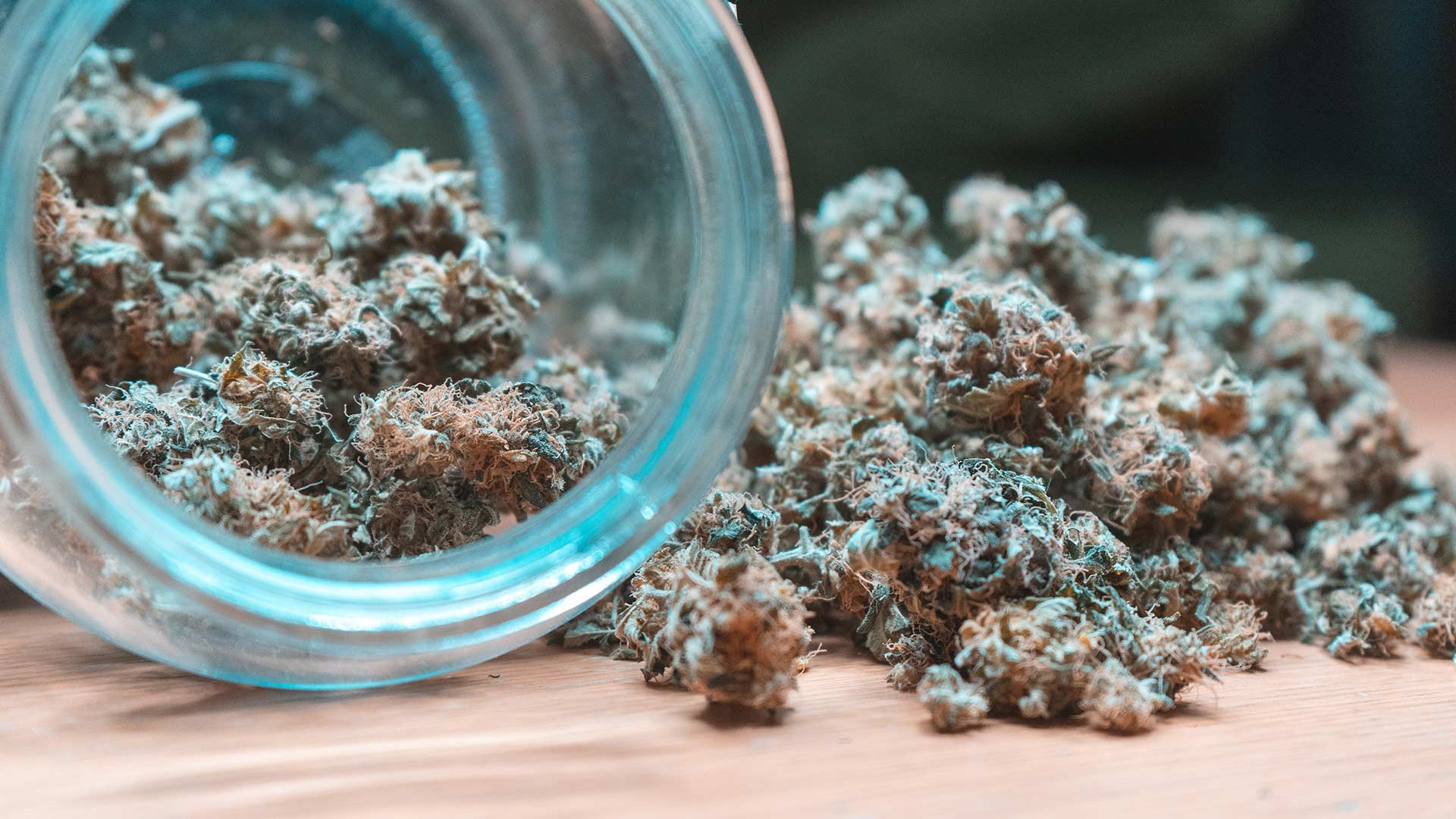
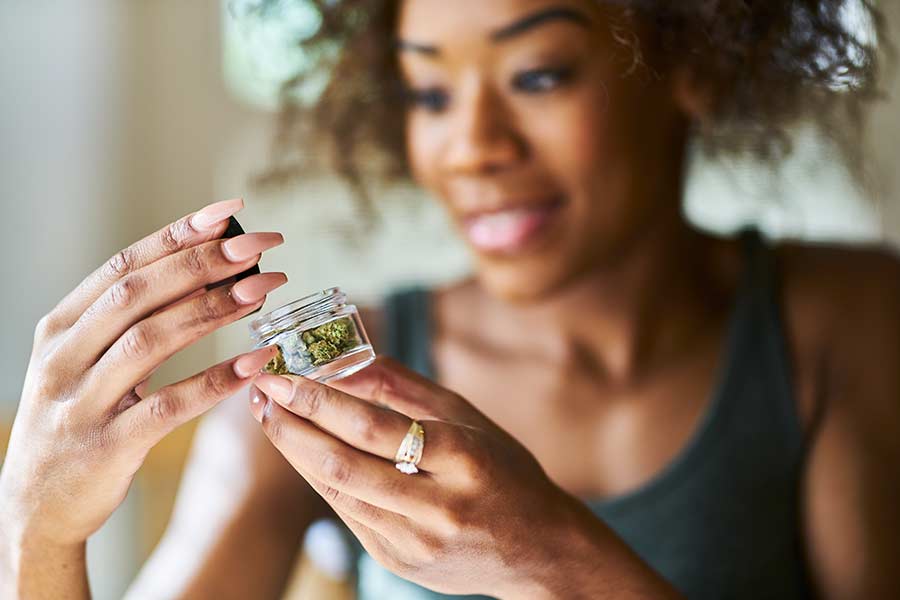
The best way to store cannabis is in an airtight container that can be kept in a dark place. Here are some of our favorite storage solutions:
-
Use easy paper baggies
If you need a short-term storage option while you’re out and about, a small waxed paper bag is a better choice than a Ziploc. It will keep out light and there are no static cling problems.
-
Get going with a travel container
For long trips and cannabis-tinged excursions, we like these dedicated modular travel storage boxes to keep your weed safe wherever you roam.
-
Use classic mason jars
Cheap and easy to find, mason jars are airtight, but they do let in light, so make sure you store them somewhere dark.
-
Upgrade to UV-proof glass jars
If you like to keep your cannabis out in the open, check out UV-proof glass jars, which can block light while keeping weed dry.
-
Test out a stylish ceramic option
There’s no reason that weed storage can’t have a little verve! Ceramic jars made by our favorite local Vail artists keep your cannabis under wraps and block those pesky rays.
-
Make your jar airtight
Keeping out the air makes maintaining quality that much easier. Spring for a container with a vacuum seal to keep your weed fresh.
-
Spring for a smart jar
Made specifically for storing cannabis, this jar has built-in humidity sensors to ensure your stash stays safe, as long as you store it somewhere dark.
-
Or an even smarter box
UV-blocking, child-proof, pet-proof, and perfect for the type A organizers among us, these smart boxes make storing your cannabis a positively futuristic endeavor.
-
Add a humidity pack
If you live somewhere with lots of rainfall or generally humid air and don’t have a smart jar, adding humidity packs keeps unwanted moisture away from your weed.
-
Invest in a humidor
If you’re a true cannabis connoisseur who likes to keep flower around for the long haul, it’s worth investing in a humidor. Designed for cigars, they’re perfect for weed as well.
How do I know if my pot has gone bad?
If you didn’t store your cannabis properly and are concerned it may have gone bad, here are some warning signs to look out for:
- Weed looks dried out or powdery
- There are fuzzy, white growths on the flower
- Weed crackles or is silent when pulled apart
- Your stash smells funky or has no smell at all
- Tastes strange when smoked
Most of the time, old weed isn’t bad for you, but it’s much less fun to consume. In general, it’s smarter to steer clear!
How do I store edibles?
Store edibles with the same care you’d use for any other perishable food. If you don’t intend to consume them for a while, keep them in a sealed container in a cabinet, fridge, or freezer. When in doubt, store your edibles using the same methods you’d use for the same type of food if it didn’t have cannabis in it.
How should I store my cannabis carts?
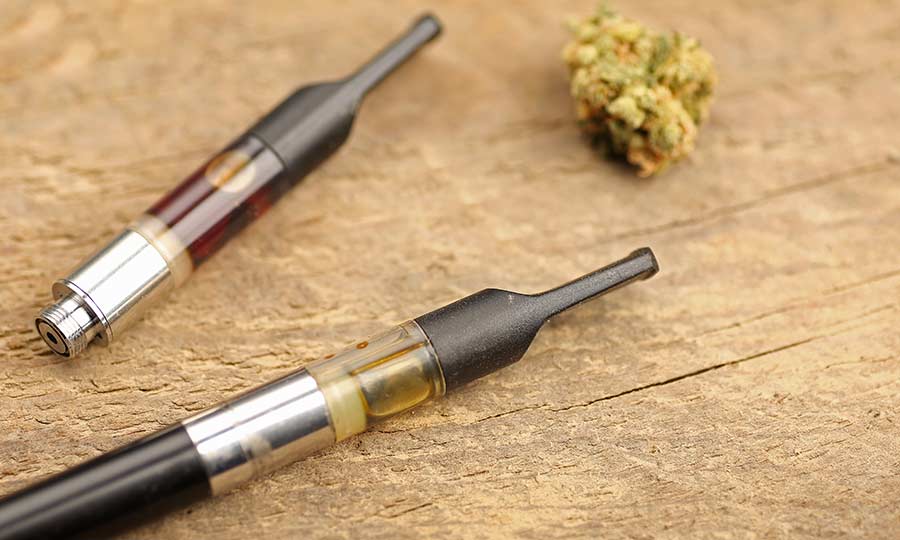
Cannabis carts are a little hardier than flower, but that doesn’t mean you can store them any way you like! The oil in vape pens and cartridges can spoil, so avoid excess heat, light, or humidity. Store your cartridges upright, and keep them in the freezer if you don’t intend to consume them for a long period of time.
How should I store cannabis concentrates?
The general rules of cannabis storage apply to concentrates, but the type of container used depends on your variety of concentrate.
- Silicone jars are good for short-term storage of most concentrates.
- Glass is better for budder, crumble, sauce, and sugars.
- Shatter can be stored using wax paper.
- For long term storage, keep your concentrates in the freezer.
How do you store cannabis tinctures?
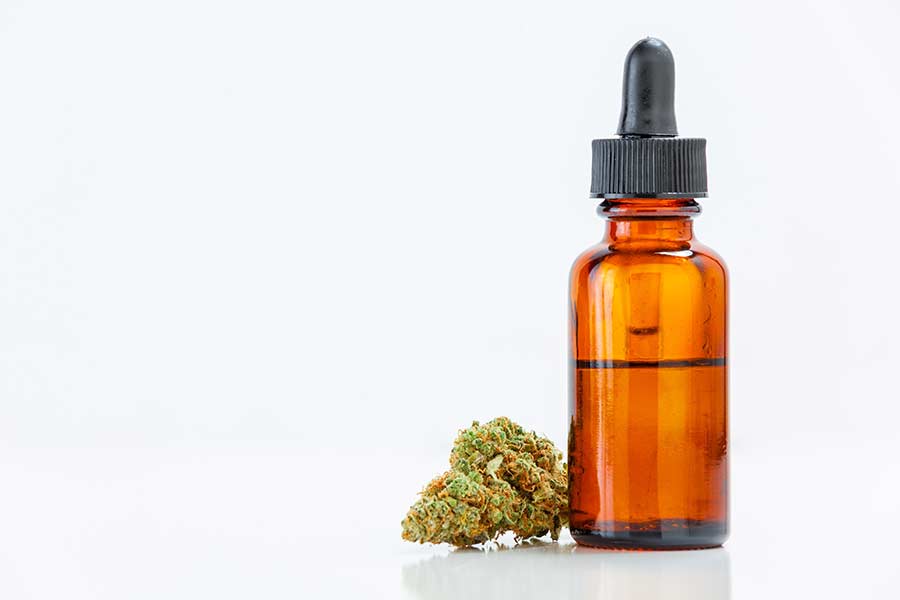
Unlike other forms of cannabis, tinctures have a near indefinite shelf life when stored properly, meaning they’re a great product to keep on hand for unexpected weed emergencies. Amber and blue dropper bottles last longer than clear ones, and alcohol distillates last longer than glycerin based tinctures. Kept in a dark freezer, an alcohol based tincture can last for literally years, if not decades.
How do you store THC topicals?
Topicals generally come in light-blocking jars or other containers, so you should be able to store them in your bathroom cabinet like any other cosmetic or topical treatment. Check the expiration date on your product (most are good for a year or two), and, as always, steer clear of high temperatures, humidity variations, and exposure to light.
Ready to place an online order with High Country Healing Vail? Click here.
Colorado Dispensary Guide to Microdosing Cannabis
Curious about microdosing cannabis? Here’s everything you should know.
When most people think of microdosing, they think of substances with psychoactive effects, particularly mushrooms and LSD. The benefits of microdosing these hallucinogens is fairly well established within the scientific community, and many people have embraced microdosing as a tool for health and wellness.
The cannabis community is no stranger to the microdosing trend, with many enthusiasts consuming smaller amounts of THC as a functional wellness tool. This is a wonderful way to enjoy the medical benefits of a dose of THC while maintaining focus and productivity.
So how does microdosing cannabis work—and is it the right choice for you? We spoke to our expert budtenders to learn more and created a comprehensive guide to microdosing cannabis, the HCH way.
What is microdosing?
As the name implies, microdosing cannabis involves consuming small amounts, or a microdose, of your favorite cannabis product.
The idea first became popular in Silicon Valley, where stressed out tech workers would take a few milligrams of THC as a daily protectant against anxiety and depression, hoping to boost their creativity and become more flexible and productive.
These days, cannabis users often microdose to treat medical conditions—such as chronic pain—that have been historically treated with high doses of cannabis. Consuming small doses of cannabis throughout the day allows them to enjoy the benefits of cannabis without the typical side effects—such as a lack of focus—that might impact their daily life.
How is cannabis microdosed?
Curious about microdosing cannabis? How you get started depends on your preferred cannabis consumption method, but the general rule is to start low and go slow.
Experts recommend that you begin microdosing cannabis with a low baseline and gradually work your way up until you reach your perfect dose. 1 to 2.5 milligrams of THC is a good starting point for most people, and you can gradually increase your dosage in 1 milligram increments until you hit that sweet spot.
Here’s how to microdose according to your preferred product type:
1. Flower / Pre-Rolls
Microdosing flower can be difficult for beginners. The amount of THC varies from batch to batch, and it’s impossible to measure how much you’ll get in a single dose. If you prefer consuming flower, start with a tiny hit every few hours. Monitor your response and increase the frequency of your inhalations until you find what works best for you.
2. Edibles
Eating cannabis is the best way to measure your microdosing, and flavored edibles like gummies or chocolates are a great way to make your daily medicine into a sweet treat. Consult the dosage instructions on the packaging of your edibles, and increase your daily intake 1 milligram at a time.
3. Vape
Vaping oil is the easiest way to control how much THC you consume. Fancy vapes will even allow you to adjust the temperature to produce your desired effect. Smoking at a lower temperature lets you decrease the head high and enjoy the body effects.
4. Concentrates
Consistent levels of THC and CBD make pre-dosed oils and concentrates an excellent option for microdosing. Consult your packaging and measure out 1 milligram accordingly. Remember: Concentrates are strong! A little goes a long way. A small dot of concentrate might provide all the THC you need for your microdose experience.
5. Tinctures
The preferred dosage option for psychedelic microdosers, tinctures offer ease of consumption and a precise, measurable delivery method. If you try this method, remember that you’ll need to be patient, as results don’t kick in right away. Take 1 milligram at a time, and give yourself at least a few hours before you begin to experience the effects.
6. Topicals
Generally less psychoactive, topicals are a handy tool for microdosers who are looking for a more mellow high. Because they tend to be much more mild, your baseline for topicals can start with 2 milligrams instead of just 1.
What are the effects of microdosing?
Unlike the usual consumption of cannabis, you might not actually notice the experience of microdosing in the way you’d expect.
Microdosing generally diminishes negative ordinary experiences—anxiety, the blahs and blues, and chronic pain and inflammation—that get in the way of a successful day. It also offers stimulating mental effects, but they don’t come in the form of a typical THC high.
If you feel noticeably high or trippy after you microdose, your dose wasn’t micro enough! You may feel a slight buzz, but it shouldn’t interfere with your daily activities. You should feel an increased creativity and a subtle sense of relaxation.
What are the benefits of microdosing?
Unlike its psychedelic counterpoints, cannabis is legal. Proponents claim that taking small doses of THC and CBD offers similar benefits to microdosing hallucinogens, including improved productivity, boosted wellness outcomes, and overall improvements in mental health and general quality of life.
Microdosers use cannabis for a variety of reasons. It has the ability to boost the enjoyment of everyday activities, such as exercise, where the THC and CBD in cannabis can help fight inflammation and make your workouts more fun and productive. It can take the edge off of ordinary days, helping you stress less and dream more at work and making everyday tasks like grocery shopping and running errands more enjoyable.
Microdosing can also be beneficial for specific medical conditions where cannabis is used as a form of treatment. For people who suffer from persistent mental health conditions or chronic pain, microdosing cannabis can be a great way to enjoy the benefits of THC while staying focused and productive.
So that’s the lowdown on low dosages! Interested in giving microdosing a shot? Stop by and chat with your friendly HCH budtender for a personalized product recommendation to get you started on your microdosing journey.
Ready to place an online order with High Country Healing Vail? Click here.
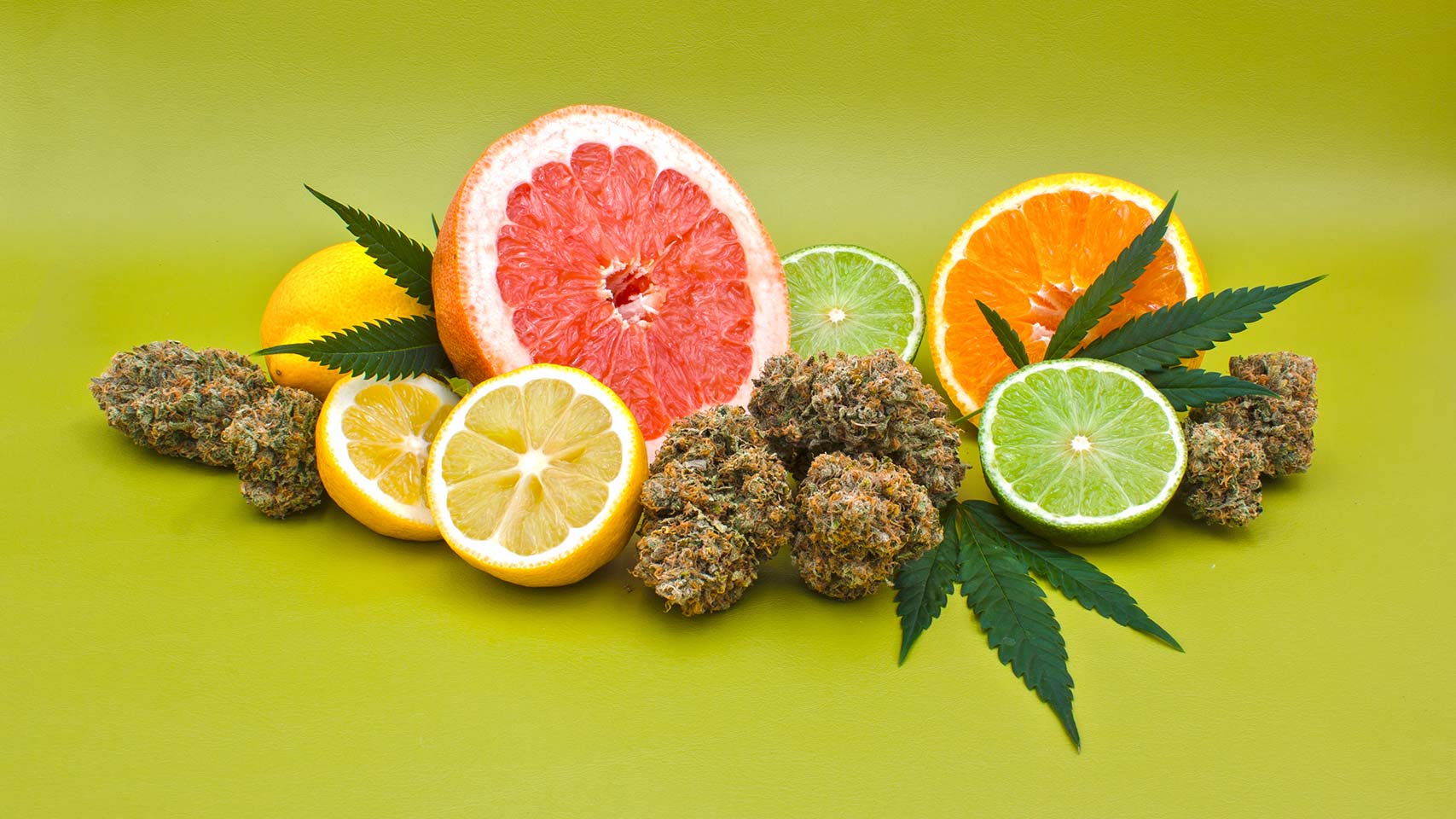
The High Country Healing Guide to Cannabis Terpenes
Terpenes are a better way to predict the effects of cannabis, but it’s a confusing topic, so let’s clear things up for you with this blog.
When most of us explore new cannabis strains, we keep an eye out for heavy hitters with high CBD and THC levels.
While these powerful cannabinoids affect your smoking experience, our budtenders have the inside scoop on the compound that may have more of an impact than you realize: Terpenes.
The components of the cannabis flower that contribute to their unique flavor, aroma, appearance, and smoking experience, terpenes are just beginning to gain attention for the role they play. Here’s everything you need to know about terpenes, including what they are, how to spot them, and the ways they impact your cannabis experience.
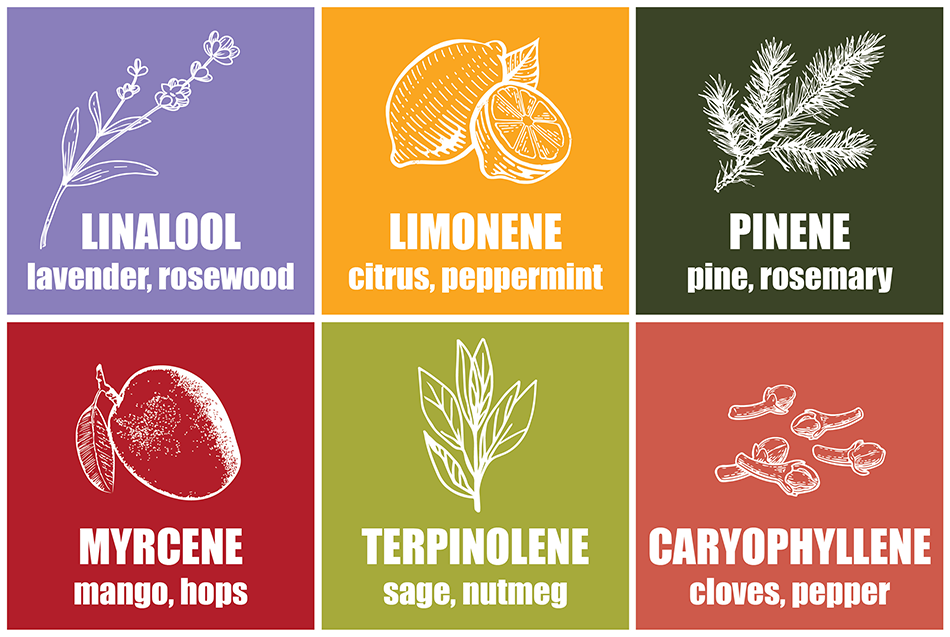
Everything We Think You Should Know About Cannabis Terpenes
What are terpenes?
Terpenes are a naturally occurring compound that creates the appearance, flavor, and aroma of certain types of plants, including cannabis. Plants produce terpenes to draw in pollinators and keep predators at bay. They also happen to play a role in creating an unforgettable smoking experience, possibly through the mechanism of the “entourage effect,” which happens when cannabinoids and terpenes interact. Often plant terpenes are distilled to create essential oils.
How do terpenes work?
While some of the mechanisms behind cannabis terpenes remain a mystery, studies show that terpenes interact with THC to produce a distinctive effect by engaging differently with the endocannabinoid receptors in your brain. Some terpenes are considered psychoactive, and they could have several beneficial effects, including the treatment of certain mental health conditions. A terpene that relieves pain and fights bacterial infections or reduces inflammation is often reported as a beneficial effect as well, although more research is needed to know for sure. If a cannabis plant has an abundant terpene profile heavy in any particular terpene, it might produce particular effects.
How many terpenes are there?
Because there are so many factors that impact how and why terpenes develop in any plant, there are as many types of terpenes as there are plants! The soil a plant grows in, the weather it experiences, and the time of day it blooms all have an impact, resulting in over a hundred distinct types of cannabis terpenes that have been identified by researchers.
What are the most common terpenes found in cannabis?
While there are hundreds of terpenes out there, only a few are likely to show up in most commercial strains of cannabis. Here’s a quick list of the most common terpenes. Scroll down for more information about each type.
Limonene
Aromas
- Citrusy
- Bright
- Lemon Meringue
Limonene Effects
- Creative
- Energetic
- Enlivening
Limonene Is Also Found In
- Rosemary
- Juniper
- Peppermint
- Citrus
Myrcene
Myrcene Aromas
- Sweet
- Herbaceous
Myrcene Effects
- Relaxing
- Euphoric
- Soothing
- Calming
Myrcene Is Also Found In
- Lemongrass
- Mango
- Hops
Caryophyllene
Caryophyllene Aromas
- Spicy
- Peppery
Caryophyllene Effects
- Soothing
- Energizing
Caryophyllene is Also Found In
- Cloves
- Cinnamon
- Black Pepper
Linalool
Linalool Aromas
- Floral
- Lavender
Linalool Effects
- Soothing
- Anti-Anxiety
- Relaxing
- Couch-Locked
Popular Cannabis Strains With Linalool
- Granddaddy Purple
- Do Si Dos
- Lavender
- Kosher Kush
Linalool is Also Found In
- Lavender
- Laurel
- Rosewood
- Sweet Basil
Pinene
Pinene Aromas
- Pine
- Rain-Soaked Leaves
Pinene Effects
- Calming
- Relaxing
- Moderately Energetic
Popular Cannabis Strains With Pinene
- Cherry Gelato
- Lucid Blue
- LA Confidential
Pinene Is Also Found In
- Pine Trees
- Basil
- Rosemary
- Dill
Humulene
Humulene Aromas
- Spicy
- Earthy
- Woody
Humulene Effects
- Anti-Inflammatory
- Anti-Bacterial
- Soothing
Popular Cannabis Strains With Humulene
- Sherbert
- GSC
- Death Star
Humulene Is Also Found In
- Hops
- Ginseng
- Black Pepper
Camphene
Camphene Aromas
- Woody
- Bergamot
- Spice
Camphene Effects
- Pain Relieving
- Soothing
- Anti-Bacterial
Popular Cannabis Strains With Camphene
- Mendocino Purps
- Ghost OG
- Banana Kush
Camphene Is Also Found In
- Douglas Fir
- Pine
- Camphor
Borneol
Borneol Aromas
- Fresh
- Minty
- Bright
Borneol Effects
- Stress Relieving
- Relaxing
Popular Cannabis Strains With Borneol
- Haze OG Kush
- Sour OG Cheese
Borneol Is Also Found In
- Thyme
- Rosemary
- Ginger
Valencene
Valencene Aromas
- Sweet Orange
- Fresh Herbs
Valencene Effects
- Alert
- Euphoric
- Energized
Popular Cannabis Strains With Valencene
- Agent Orange
- ACDC
- Sour Diesel
Valencene Is Also Found In
- Orange
- Mango
- Grapefruit
Geraniol
Geraniol Aromas
- Sweet
- Citrusy
- Lemony
Geraniol Effects
- Relaxing
- Soothing
- Anti-Inflammatory
Popular Cannabis Strains With Geraniol
- Purple Punch
- Black Cherry Soda
- Lemon G
Geraniol Is Also Found In
- Peaches
- Rose Oil
- Lemon Grass
Terpineol
Terpineol Aromas
- Floral
- Fruity
- Lilac Notes
Terpineol Effects
- Pain Reducing
- Sedating
- Anti-Inflammatory
Popular Cannabis Strains With Terpineol
- Girl Scout Cookies
- Skywalker OG
- Blue Dream
Terpineol Is Also Found In
- Cardamom
- Pine Oil
- Cajuput Oil
With a cursory understanding of cannabis terpenes, you can better predict your experience. But if you have more questions, we’re always here to help. So drop by and ask your High Country Healing budtender about cannabis terpenes. It’s why we’re here!
Ready to place an online order with High Country Healing Vail? Click here.

Help! I'm Too High! Don't Panic - Here's What You Need to Know
Did you over-consume? Don’t worry! These tips will help you maintain your cool.
It happens to the best of us. Perhaps you ate a little too much of that tasty new cannabis edible or decided to level up your THC dosage on a new strain of flower. Maybe you were smoking someone else’s cannabis products in a social situation and inadvertently took more than you’re used to.
However you ended up here, let’s start by putting your mind at ease: There’s no real danger or harmful side effects that result from taking too much cannabis. There have been absolutely zero recorded deaths or other adverse health outcomes other than a few unpleasant hours, so don’t panic, friend. You are safe and sound.
Still, that doesn’t mean you’re having a great time, and High Country Healing is here to help. As experienced budtenders, we know exactly what to do when you take too much. Here’s what you need to know about greening out, including the best ways to handle getting a little too high.
How Long Does “Greening Out” Usually Last?
Unlike other compounds that leave users exposed to actual physical danger, the effects of consuming too much cannabis are unpleasant, but not harmful. You’re at a higher risk if you don’t use THC frequently, consume high-potency cannabis products, or have decided to mix and match your intoxicants instead of sticking to pure THC. So now that you’re here, how long can you expect the experience to last?
The effects of cannabis can linger anywhere from one hour to a whole day, but your “green out” sensation won’t last that long. The overwhelming peak of a cannabis high can last for as little as ten minutes or up to the length of a stony afternoon. The best thing you can do is keep calm and ride it out. You’ll be out of the woods before you know it.
Symptoms
Think you might have taken too much? Here are the classic green-out symptoms to watch for:
- Your heart rate is elevated or seems to be beating faster than usual
- You’re experiencing a panicky, overwhelmed feeling
- You vomit or experience nausea
- You’re sweating more than usual
- You’re experiencing feelings of dehydration
- You feel a general anxiety or paranoia
- You’re unable to distinguish imagination from reality
- You feel overwhelmed or frightened
If you’re not experiencing any of these symptoms but are still feeling overwhelmed, you can still take our tips for de-escalating your stoned experience. The “too high” feeling is a subjective experience, so listen to your own body and mind your limits.
Tips To Help from Being Too Stoned
If you feel any of the symptoms listed above, if you just feel too high, or you’re otherwise overwhelmed with your cannabis consumption experience, we’re here to help. You can’t stop being high, but here are our budtenders’ top 10 tips to get you through that green out and enjoy your cannabis experience:
1. Keep Calm and Carry On
The most important thing to do when you’re in the middle of a green out is to stay calm. It might feel like forever, but this experience will pass before you know it, and panic will only make your symptoms worse. If you notice your mind is heading to a dark place, try to redirect your thoughts and stay centered. It will pass!
2. Phone a Friend
If you’re feeling swallowed up by sensation, talking to a trusted loved one can help ground you. Have your partner, trusted friend, or family member sit by you and chat or offer physical affection to calm you down. If you’re alone, hopping on the phone to call someone you love can help you stay grounded and centered.
3. Touch Grass
Nature is always healing, and that’s definitely true if you’re a little too stoned! Bring your green out to a safe, contained greenspace like your backyard. Lying on the grass and listening to the sounds of the natural world can help get you out of your head and blissfully into your body.
4. Listen to Music
Giving your mind positive stimuli to focus on during a green out can make the difference between a negative experience and an immersive one. Put on a favorite album and practice close listening, letting the music take you away. We find the right song can have a positively transformative effect.
5. Watch a Movie
If you’re a fan of visuals, something with a narrative focus can have a calming effect similar to what music offers. Now isn’t the time for horror flicks or high-tension action thrillers. Instead, opt for something relaxing and transporting, with great visuals to take you away. A favorite childhood cartoon is an especially soothing choice.
6. Meditate
Meditation is great at grounding you in the midst of any kind of stress, and a green out is no exception. Practice meditation techniques, like mindful breathing, to help calm down. Breathe in and out slowly on the count of ten, or try sitting quietly and listing everything you can hear, see, touch, taste, and smell.
7. Stay Hydrated
Feeling dehydrated or having a dry mouth is all too common when you’re overstimulated by cannabis, so drinking water can help ease many of your symptoms. Sip on a glass of ice water or relaxing herbal tea, or grab a flavored sparkling water for a little extra sensory stimulation.
8. Take a Rest
One of the best ways to handle a green out? Sleep it off. Your overstimulated body will likely be happy to slide out of consciousness and let you treat yourself to some truly crazy dreams. Get cozy, turn off the lights, and let your mind wander. Even if you don’t fall asleep, the relaxation will help the time pass quickly.
9. Get Creative
Once you’re feeling a little better, or if you’re simply too high and jittery to rest, allowing your creative mind to kick in can help your judgemental, worrying self take a back seat. Break out the adult coloring books, do a little sketching, or make a quick salt dough you can mold into mini sculptures.
10. Practice Self Care
Last but not least, when you’re feeling too high the best thing you can do is to create as soft and nourishing an experience as possible. Now is the time to listen to your instincts and do the things that help you relax, whether that’s taking a hot bath, or playing a favorite game. Try to enjoy yourself, and remember that this too shall pass!
Ready to place an online order with High Country Healing Vail? Click here.
Where Can Colorado Tourists Consume Cannabis in Eagle-Vail?
Are you a tourist hoping to get high in the high country? Here’s everything you need to know about public consumption in our region.
Ever since the State of Colorado legalized the recreational use of cannabis back in 2012, visitors to the Rocky Mountain State have been indulging in our incredible homegrown cannabis.
As legalization spreads across the rest of the United States, Colorado is ahead of the cannabis curve in terms of the quality, potency, and availability of products we can share with locals and tourists alike, so it’s no wonder the 84.2 million people who visit our great state each year are eager to explore.
As purveyors of high-quality recreational marijuana in the tourist hotspot of Vail mountain, we’re often asked the same question: Where should visitors consume the cannabis products they purchase at HCH?
We’re here to help with a comprehensive guide to public consumption, including where you can use weed, where you can’t, and our favorite cannabis consumption methods.
Where Can I Consume?
Because cannabis is still illegal on a federal level, there are a limited number of public places where you can safely and legally use cannabis. Your best bet is to enjoy your cannabis on private property, which largely falls into two categories.
The first is 420-friendly private locations, which come in a variety of types.
You can smoke weed in any private home or backyard, as long as the owner has invited you to do so. You can also consume cannabis in other types of private lodgings, such as vacation rentals, as long as you have the owner’s permission.
Some hotels in Vail are also 420-friendly. While state law prohibits vaping or smoking in your room, hotel staff will be happy to direct you to an outdoor smoking area or offer recommendations for another way to legally light up.
If you’re staying somewhere that doesn’t allow cannabis use, Colorado has a number of social clubs where visitors can legally consume cannabis. Visit one to indulge and connect with the local cannabis scene. You can also seek out one of our state’s many weed-friendly attractions, which include walking tours, painting parties, yoga sessions, and more. Whatever your hobby, there’s probably an enterprising Coloradan who’s found a way to combine it with cannabis.
Where Not To Consume
Now that you know where you can consume your Colorado cannabis, let’s look at the places that are off limits.
First up is federal lands. The federal government isn’t thrilled about people consuming locally permissible but federally illegal substances like cannabis on the land it manages, so keep your cannabis away from ski areas, nature paths, and other federally managed outdoor spaces.
Even if a local park is state run, it’s probably not a safe place to consume cannabis. In general, cannabis use is banned from outdoor places and public spaces in general, just as cigarette smoking is confined to specific zones. Even if you’re alone in an outdoor space, you should avoid lighting up to stay on the right side of the law.
Last but not least, don’t smoke in your car! Just like it’s as illegal to drink a beer in a car as it is to drink and drive, cannabis consumption in a vehicle is considered grounds for a DUI. Smoking in rental cars is a double no-no, so make sure you stow cannabis purchases in the trunk when you transport them from the shop.
Cannabis Consumption Methods
Now that you know the ins and outs of consuming cannabis in Vail, here are our favorite cannabis consumption methods and everything you need to know about using each of them safely, legally, and effectively.
Flower – Pre-Rolls – Vaporizers – Concentrates
Smokables are the most classic form of cannabis consumption. Most visiting cannabis users are probably already familiar with it.
There’s flower, of course, and at HCH’s unique grow your own emporium, you can pick your cannabis strain of choice and harvest the buds yourself. Vaporizers offer a more discrete experience for public consumption. And if you’re really looking to indulge, concentrates can add an extra kick to your smoking experience.
The same rules of public consumption apply for all these smokable forms of cannabis, so study up before you light up!
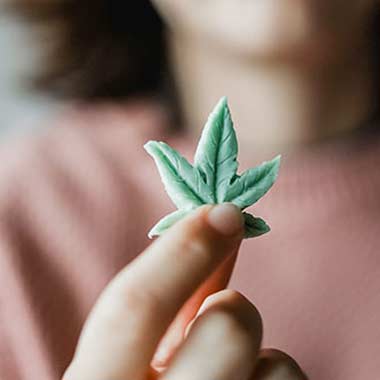
Edibles and Drinks
If you’re in a place where smoking of all kinds is discouraged, edibles and drinks are a more discrete option for cannabis consumption. Staying in a hotel room, vacation rental, or Airbnb where cannabis use is okay but smoking isn’t allowed? Edibles are a great way to indulge without breaking any rules or getting stuck with expensive clean up fees.
Keep in mind that when it comes to cannabis edibles, it can be easy to overindulge. The THC in edibles takes longer to kick in, so start low and go slow when it comes to dosage to make sure you aren’t knocked out for the rest of the day!
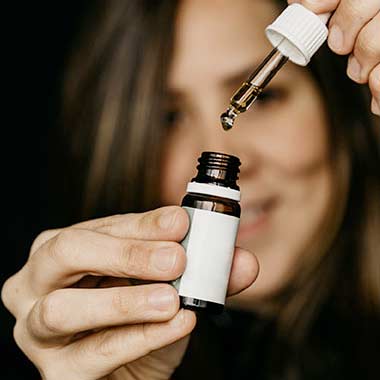
Tinctures
Last but not least are tinctures, one of the most gentle ways for new users to consume cannabis. Like edibles and drinks, tinctures are perfect for discrete consumption in areas where cannabis use is permitted but smoking isn’t allowed.
Tinctures also have the added benefit of precision dosing. Most come with droppers that allow you to see exactly how much THC you’re consuming, so you can make sure to dose yourself as gently as possible when you begin your cannabis journey.
Whatever mode of consumption you choose, knowing the rules is the secret to staying on the right side of the law. Be safe, legal, and have fun exploring the best cannabis Colorado has to offer!
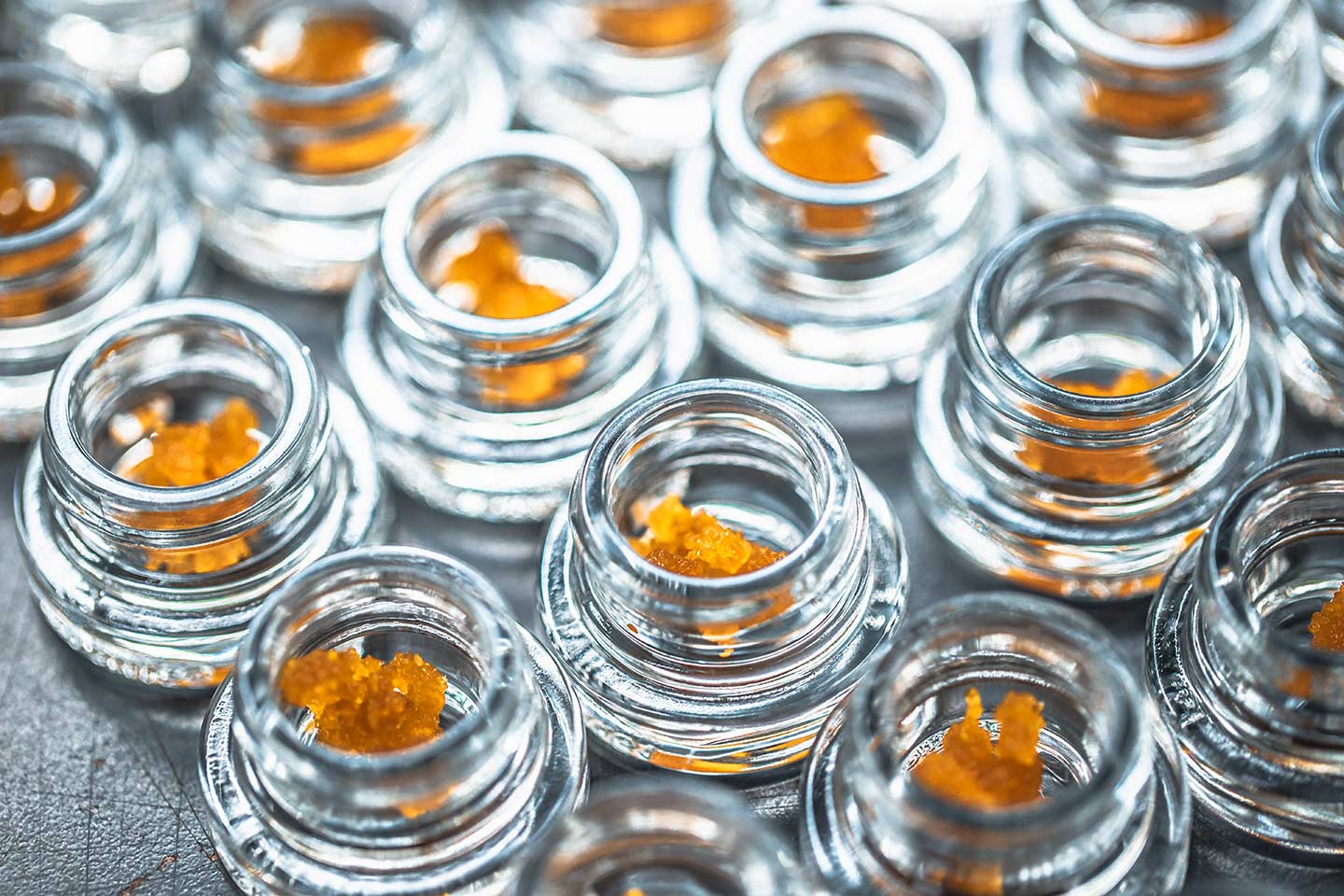
Cannabis Concentrates: What to Know and HCH Staff Picks
Are you curious about the more potent side of cannabis? Here’s everything you should know about cannabis concentrates, including a few High Country Healing staff picks.
Even if you’re a seasoned user of cannabis flower, you might not be familiar with the world of marijuana concentrates. While there are many types of cannabis concentrates to explore, all extracts and concentrates are made using either chemical extraction methods or heat and pressure to extract the cannabinoids and terpenes from cannabis flower, which delivers high THC levels and a concentrated smoking experience.
The HCH team is here to help with a guide to the wide world of concentrates, including what they are and how to consume these forms of cannabis. We’ll also share our favorite types of cannabis concentrates so you can start exploring.
What are the types of cannabis concentrates?
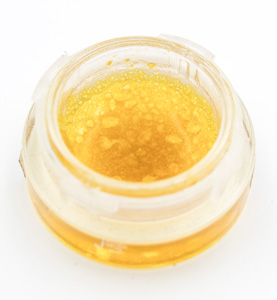
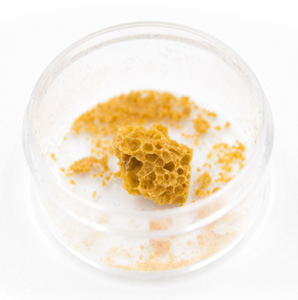
There are many types of marijuana concentrate made from cannabis plants. We’ll explain them in detail below, but here’s a handy list of the most common forms to get you started:
- Budder
- Crumble
- Shatter
- Sugar wax
- Crystalline
- THC oil
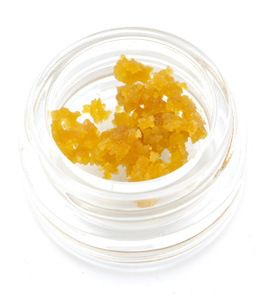
How are cannabis concentrates consumed?
There are several ways to consume cannabis concentrates; it all depends on the type of concentrate you prefer. Some sprinkle or wipe their concentrate onto plant material, which allows them to enjoy the aroma and flavors of cannabis flowers with an extra-high level of THC content. Others use a dedicated dab rig to consume cannabis extracts like butane hash oil. And then there are those who prefer vape pens with pre-filled vape cartridges of cannabis oil. Your method of consumption depends on the type of concentrate you choose.
Cannabis Live Resin
What is live resin?
Live resin is created with an extraction process where high-quality cannabis plant matter is flash frozen and blasted with a chemical solvent before being pressed. Depending on how the resin is treated during processing, the final product might be:
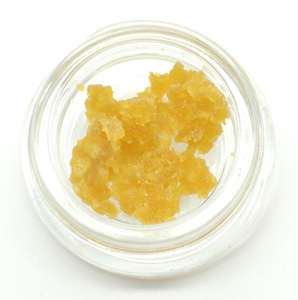
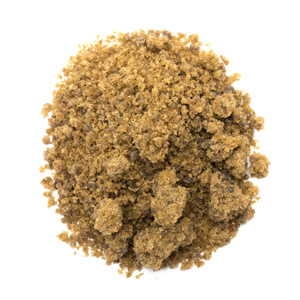
Sugar
Extract with a crumbly, brown sugar consistency, typically high in THC.
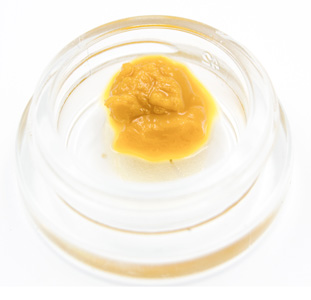
Budder
A super soft, waxy extract with a sticky consistency and high terpene levels.
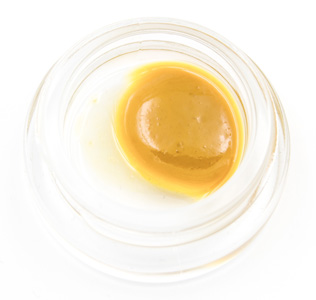
Badder
Another name for budder, a cookie dough consistency distillate with a soft, yielding texture.
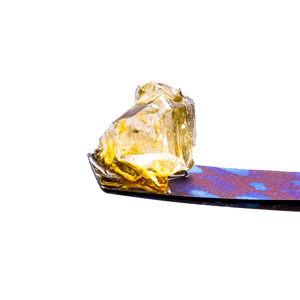
Diamonds
Crystalline structures formed from live rosin left to separate during the curing process.
Cannabis Shatter
What is shatter?
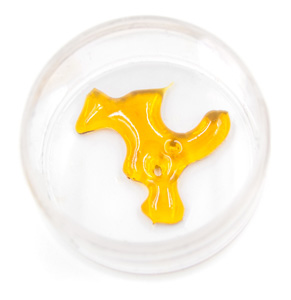
One of the most common forms of cannabis concentrates, shatter is incredibly popular with concentrate enthusiasts. It looks like hard candy or stained glass, and it’s as potent as it is pretty. While it can be difficult to smoke without a rig, shatter remains at the top of the distillate game because of its potency. With upwards of 80% THC content, it’s one of the strongest concentrates out there.
Cannabis Waxes
What is wax?
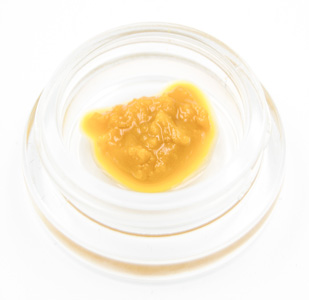
Packing as potent a punch as shatter but easier to smoke if you don’t have a dedicated rig, cannabis wax can be smoked with a specialty vape pen designed for wax vaporization. It is soft, sticky, and aromatic, and it serves up a whopping 80-90% THC content with a higher level of terpenes and flavonoids than shatter typically contains, resulting in a more aromatic experience.
Cannabis Rosin
What is rosin?
Created using heat and pressure in a process originally dreamed up to create rosin for violin bows, rosin is a solventless cannabis extract, making it especially appealing for extract enthusiasts who are looking to keep their high-potency smoking experience all natural. Consumed with a dab rig or rosin vape pen, it packs a powerful punch without the solvents some cannabis users prefer to avoid.
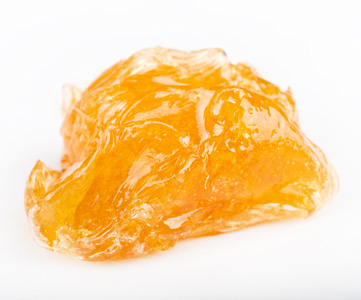
Hash
What is hash?
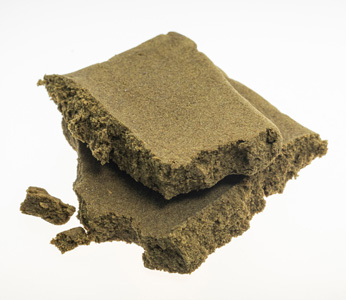
One of the oldest forms of cannabis concentrate, hash making has been practiced for centuries, although modern methods are far more sophisticated than those Napoleon’s soldiers used! Like rosin, it’s solvent free, produced using physical processes and temperature manipulation to create various types of final products.
Dry sift hash
A collection of resin that has been sifted off cannabis flower through a series of mesh screens, dry sift hash is basically fancy kief. Flowers are agitated to break off dried resin and allow the trichomes to pass through a series of increasingly fine screens to create a powdery substance.
Bubble hash
Also called ice water hash, bubble hash is formed by submerging flower in ice water to freeze the trichomes. The liquid is agitated to break the trichomes free before filtering through screens in the same way dry hash is created. The resulting resin is dried to produce bubble hash.
High Country Healing Staff Picks
Of all the live resin products on our shelves that offer high concentrations of THC, terpenes, and all the other botanical good stuff we love, there’s one brand that stands out: Green Dot. Three of our budtenders named it as a current fave. While all the concentrates on our shelves go pretty hard, you can’t go wrong with Green Dot!
Doug says that Green Dot Fortissimo Rosin is the “Cleanest, stoniest, rosin I’ve ever smoked…. Straight GAS!!!!”
Jack C says their Lemon Gutter Rum is the “Perfect wake and bake rosin…. Great with coffee.”
And Alycia says their Dali Rosin has an “Amazing taste! Sweet and funky. My fav rosin to date. Effect was super stoney and chill at the same time!”
But with so many amazing brands to choose from, Green Dot isn’t the only staff favorite.
Scout said that the Summit Cheese Wiz is “Very cheezy!” with a “Great stoney chill high.” It’s the perfect concentrate for kicking back and chilling hard.
Joe also went for the supine vibes. His pick for his favorite concentrate is 1:11 Blue Velvet, which he calls, “The best relaxer at the end of the day to wind down after aspen peeping.”
Ready to discover a favorite concentrate of your own? Check out our online menu for a full list of all the best Colorado concentrates, and get ready for the ride of your life.