
We’ve all heard of THC and CBD, but did you know that there are hundreds, if not thousands, of other beneficial cannabinoids? Here’s everything you need to know about them.
When it comes to making the magic happen, THC and CBD get all the love. But the discerning enthusiast knows that cannabis products with practically identical THC and CBD content can produce wildly different experiences.
What’s the secret? It could be minor cannabinoids. Here’s what you need to know about these unsung heroes of the cannabis plant, and how keeping an eye on minor cannabinoids can help shape your consumption experience.
Quick links
- What are minor cannabinoids?
- What are the most common minor cannabinoids?
- How do minor cannabinoids interact with the human body?
- How do minor cannabinoids differ from major cannabinoids?
- How do minor cannabinoids interact with the endocannabinoid system?
- How can minor cannabinoids be extracted and used in products?
- HCH favorites featuring minor cannabinoids
What are minor cannabinoids and why are they important in cannabis?
While most cannabis research has focused on the major cannabinoids, there’s a whole world beyond THC and CBD. The cannabis flower is packed with a variety of major and minor cannabinoids, each of which interacts with the endocannabinoid system to produce powerful potential benefits.
These so-called “minor cannabinoids” work hand in hand with THC and CBD. When they interact with cannabinoid receptors throughout the body, your experience intensifies, creating what’s known as the entourage effect.
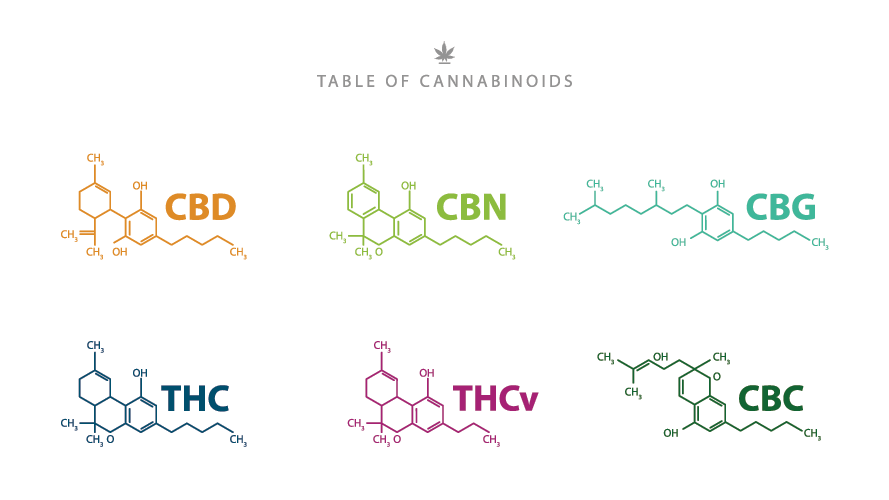
What are the most common minor cannabinoids found in cannabis?
Researchers are still working to identify all of the compounds found in cannabis flower, but preliminary studies have named at least 120 unique minor cannabinoids.
It seems like a big number! But don’t worry. We’ve narrowed it down for you. Here are the most important minor cannabinoids you need to know:
CBG
CBG is one of the first compounds produced in a plant’s growth cycle. Like CBD, it is non-psychoactive. Primarily known for its anti-inflammatory effects, CBG can stimulate appetite and make for an uplifting experience.
CBN
When THC degrades, it creates CBN. This minor cannabinoid is found in higher concentrations in older plants or cannabis that’s been sitting around for a while. Excellent at fighting bacteria, it may also amplify THC’s sedating effect.
CBC (H3)
Among the most abundant of the minor cannabinoids, CBC boosts the effects of THC, helping it work more efficiently within your system. Perfect for soothing pain and inflammation, some studies even show that it slows the growth of certain cancer cells.
CBE
CBE has received less attention than some of the other minor cannabinoids. Generally, it has benefits similar to CBD, offering a soothing, calm experience with no psychoactive component.
CBV
High concentrations of this non-psychoactive cannabinoid can be found in most cannabis plants, yet CBV remains something of a mystery. It seems to offer potential medical benefits shared by other cannabinoids, but more research is needed to know for sure.
THCV
THCV is unique in the world of minor cannabinoids because it is non-psychoactive in low doses, but it produces psychoactive effects when consumed in higher amounts. The high it produces is focused and energized, with no THC brain fog.
CBGA
More often found in the form of CBG, plants require special handling to produce CBGA levels. But the extra labor is worth it because this minor cannabinoid has potential medical benefits in the fight against diabetes, cancer, and heart disease.
THCA
A non-psychoactive compound that transforms into THC when heated, THCA works best when combined with other cannabinoids and terpenes. A non-psychoactive nausea treatment, it may also reduce inflammation and help minimize seizures.
CBNA
Most commonly found in mature cannabis plants, CBNA has medical potential to treat bone loss. Combined with CBD, it is a powerful pain reliever. It’s also effective in fighting certain bacterial strains.
How do minor cannabinoids interact with the human body?
Many minor cannabinoids operate like the major cannabinoids you’re probably familiar with, creating effects by interacting with the endocannabinoid system.
One minor cannabinoid might bind to CB1 receptors, whereas another might bypass these receptors to create a more subtle effect, like stimulating your body’s ability to fight pain or inflammation.
How do minor cannabinoids differ from major cannabinoids such as THC and CBD?
Like THC and CBD, each minor cannabinoid is a unique chemical compound that interacts within the endocannabinoid system found in all human bodies to create a distinctive “high.”
This delivers desirable experiences for consumers and even possesses potential medical applications. The cannabis industry and cannabis researchers are both studying minor cannabinoids for their therapeutic and recreational uses.
However, unlike THC and CBD, most minor cannabinoids can’t be consumed in an isolated form. Instead, they typically add complexity to the cannabis experience, enhancing and deepening the effects of any given strain.
How do minor cannabinoids interact with the endocannabinoid system?
Asking how minor cannabinoids interact with the endocannabinoid system is kind of like asking how food interacts with your digestive system—it all depends on the cannabinoid. Nevertheless, there are generally two pathways minor cannabinoids can take within your ECS.
Some behave like THC and bind directly to receptors, influencing their behavior to produce psychoactive effects like an enlivened mental state, sociability, and another hallmark of a classic high.
Others behave more like CBD, interacting with the ECS by inhibiting endocannabinoid signaling. How this process works all depends on your dosage—the more you take, the stronger the effects.
How can minor cannabinoids be extracted and used in products?
The science behind extracting minor cannabinoids is still in its infancy, but there are generally two methods used.
If a company knows the unique generic signature of the minor cannabinoid it wants, they can use conventional extraction methods to isolate the targeted compounds, which can be further purified and distilled to create usable consumer products.
If a cannabinoid shows up in smaller percentages and is difficult to isolate, companies may use biosynthetic processes to create it in larger quantities. These methods take an organic material like yeast, bacteria, or a hemp plant and convert it into the desired minor cannabinoid, which can then be purified and used commercially.
HCH favorites featuring minor cannabinoids
Ready to experiment with minor cannabinoids, but aren’t sure where to start? HCH budtenders have got you covered!
Here are some of our favorite minor cannabinoid packed products to launch your journey into this brave new world:
Ready to place an online order with High Country Healing Vail? Click here.